Debt Payoff Strategies: Snowball vs. Avalanche Methods Compared
Discover which debt repayment strategy works best for your situation by understanding the psychology and math behind the snowball and avalanche methods.
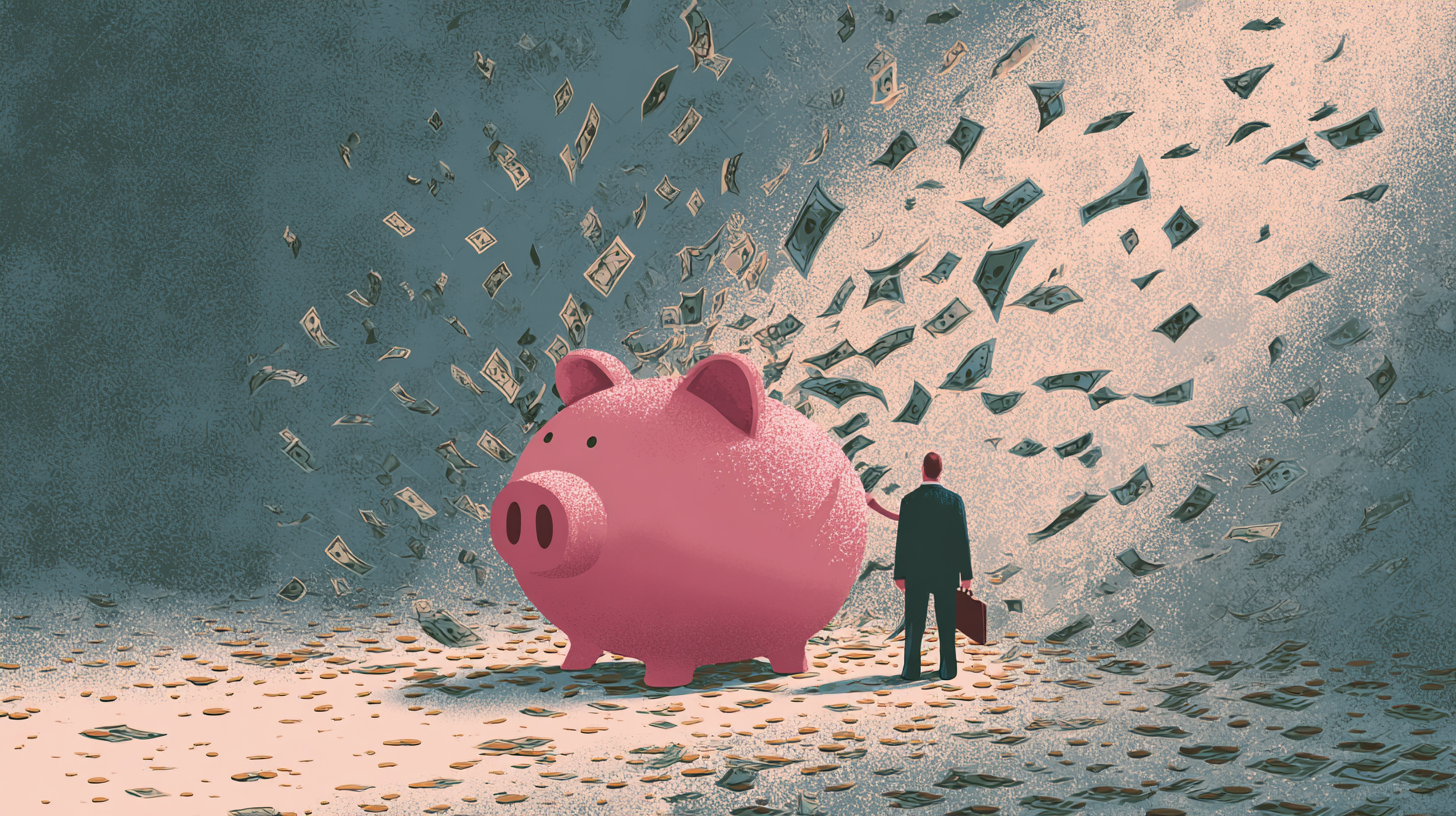
Carrying debt can feel overwhelming, but having a clear repayment strategy transforms that mountain into a series of manageable steps. The two most popular approaches, the debt snowball and debt avalanche, each offer distinct advantages. Understanding both helps you choose the method that fits your personality and financial situation.
The Cost of Carrying Debt
Before diving into strategies, let's understand what debt really costs you.
The True Price of Minimum Payments
Consider a $5,000 credit card balance at 20% APR:
- Minimum payment (2% of balance): $100 initially
- Time to pay off: Over 30 years
- Total interest paid: More than $8,000
That $5,000 purchase actually costs you $13,000 or more when you only pay minimums.
The Opportunity Cost
Every dollar going toward interest is a dollar not being invested. At historical stock market returns, that same money could grow significantly over time.
The Debt Snowball Method
Popularized by personal finance expert Dave Ramsey, the snowball method focuses on psychological wins to build momentum.
How It Works
- List all debts from smallest balance to largest
- Pay minimum payments on all debts
- Put every extra dollar toward the smallest debt
- When that debt is paid, roll that payment into the next smallest
- Repeat until debt-free
Example in Action
| Debt | Balance | Minimum | Interest Rate | |------|---------|---------|---------------| | Store Card | $500 | $25 | 24% | | Credit Card A | $2,500 | $75 | 19% | | Credit Card B | $5,000 | $150 | 22% | | Car Loan | $8,000 | $250 | 6% |
With the snowball method, you'd attack debts in this order: Store Card, Credit Card A, Credit Card B, then Car Loan.
Pros of the Snowball Method
Quick wins build motivation: Paying off that first debt quickly provides a psychological boost that keeps you going.
Simplifies decision-making: No need to compare interest rates; just focus on the smallest balance.
Reduces number of payments: Fewer bills to track means less chance of missing payments.
Cons of the Snowball Method
Costs more in interest: You may pay more over time by ignoring higher-rate debts.
Not mathematically optimal: The numbers don't favor this approach.
The Debt Avalanche Method
The avalanche method takes a purely mathematical approach, targeting the most expensive debt first.
How It Works
- List all debts from highest interest rate to lowest
- Pay minimum payments on all debts
- Put every extra dollar toward the highest-rate debt
- When that debt is paid, roll that payment into the next highest-rate debt
- Repeat until debt-free
Example in Action
Using the same debts from before:
| Debt | Balance | Minimum | Interest Rate | |------|---------|---------|---------------| | Store Card | $500 | $25 | 24% | | Credit Card B | $5,000 | $150 | 22% | | Credit Card A | $2,500 | $75 | 19% | | Car Loan | $8,000 | $250 | 6% |
With the avalanche method, the order becomes: Store Card (24%), Credit Card B (22%), Credit Card A (19%), then Car Loan (6%).
Pros of the Avalanche Method
Saves the most money: By eliminating high-interest debt first, you minimize total interest paid.
Mathematically optimal: This is objectively the most efficient approach.
Faster debt-free date: You'll typically become debt-free sooner.
Cons of the Avalanche Method
Slower initial progress: If your highest-rate debt is also your largest, it may take months to see a debt disappear.
Requires discipline: Without quick wins, some people lose motivation.
Head-to-Head Comparison
Let's see how these methods compare using our example scenario with an extra $300/month for debt repayment.
Debt Snowball Results
- Time to debt-free: 28 months
- Total interest paid: $3,420
- First debt eliminated: Month 2
Debt Avalanche Results
- Time to debt-free: 26 months
- Total interest paid: $2,890
- First debt eliminated: Month 2
The Verdict
In this scenario, the avalanche method saves $530 and two months. However, both methods reach debt freedom, and that's what matters most.
Which Method Is Right for You?
Choose the Snowball If:
- You've tried and failed to pay off debt before
- You need quick wins to stay motivated
- Your debts have similar interest rates
- You're feeling overwhelmed and need simplicity
Choose the Avalanche If:
- You're highly motivated by saving money
- You can stay disciplined without quick wins
- You have significant interest rate differences between debts
- Math and logic drive your decisions
Hybrid Approaches
You don't have to choose one method exclusively. Consider these alternatives.
The Debt Snowflake
Add any extra money, no matter how small, to your debt payments. Found $20 in an old coat? That's a snowflake. Got a $50 rebate? Another snowflake.
Modified Avalanche
Start with the avalanche method, but if you have a small debt you could eliminate within a month or two, knock it out first for a quick win, then return to the avalanche.
Consolidation First
If you have good credit, consider consolidating high-rate debts into a lower-rate personal loan or balance transfer card, then use either method on what remains.
Making Either Method Work
Regardless of which strategy you choose, these principles apply.
Create a Budget That Prioritizes Debt
You can't put extra toward debt if you don't know where your money goes. Track spending and identify areas to cut.
Automate Your Payments
Set up automatic payments for at least the minimum on every debt, plus your extra payment toward your target debt.
Celebrate Milestones
Whether it's your first debt paid off or hitting the halfway point, acknowledge your progress.
Avoid New Debt
The fastest way to fail at debt payoff is to keep adding to the pile. Put credit cards away until you're debt-free.
Build a Small Emergency Fund First
Having even $1,000 set aside prevents you from going back into debt when unexpected expenses arise.
When to Seek Professional Help
Consider credit counseling or debt management programs if:
- Your debt payments exceed 50% of your income
- You're considering bankruptcy
- You've tried multiple times without success
- Creditors are threatening legal action
Non-profit credit counseling agencies can negotiate lower interest rates and create structured repayment plans.
The Emotional Side of Debt Repayment
Debt carries psychological weight. Many people feel shame, anxiety, or hopelessness. Remember:
- Debt doesn't define your worth
- Every payment is progress
- Setbacks don't erase your progress
- You're not alone in this journey
The Bottom Line
The best debt payoff strategy is the one you'll actually stick with. Whether you choose the snowball for its motivational wins or the avalanche for its mathematical efficiency, committing to a plan puts you ahead of those still making only minimum payments. Pick your method, start today, and take your first step toward financial freedom.
Tags
Written by
Sarah Mitchell
A contributing writer at InsightWireReads. Our team is dedicated to providing well-researched, accurate, and helpful content to our readers.
Learn more about our teamRelated Articles
Understanding Credit Scores: What They Are and How to Improve Yours
Demystify your credit score by learning what factors affect it, how to check it for free, and proven strategies to boost your number over time.
Debt-to-Income Ratio: What It Is and Why Lenders Care About It
Learn how to calculate your debt-to-income ratio, understand what lenders consider acceptable, and discover strategies to improve this critical metric.

Credit Cards 101: How to Use Them Wisely and Avoid Common Pitfalls
Master the fundamentals of credit card usage, from understanding APR and fees to maximizing rewards while avoiding the debt trap.